Is There a Product in a Tube for Art Oil Pointing to Thin Product
More...
Maybe you just recently started oil painting, or you accept been at information technology for a while, but yous have most likely heard teachers or other artists talk about oil painting mediums.
A medium is a vehicle that's used to thin the paint and change the drying process. Different types of mediums impart different qualities, some dry paint quicker some make it stay wet longer.
All oil paint has some form of medium in it already. Oil binds paint pigment together, as the paint is just a dry out pulverisation. Information technology'due south simply colour and and so paint manufacturers add oil to it. Nearly paints these days are fabricated with either safflower oil or linseed oil.
And then with that in mind, let's discuss several different types of oil painting mediums and why a painter might choose to employ them.
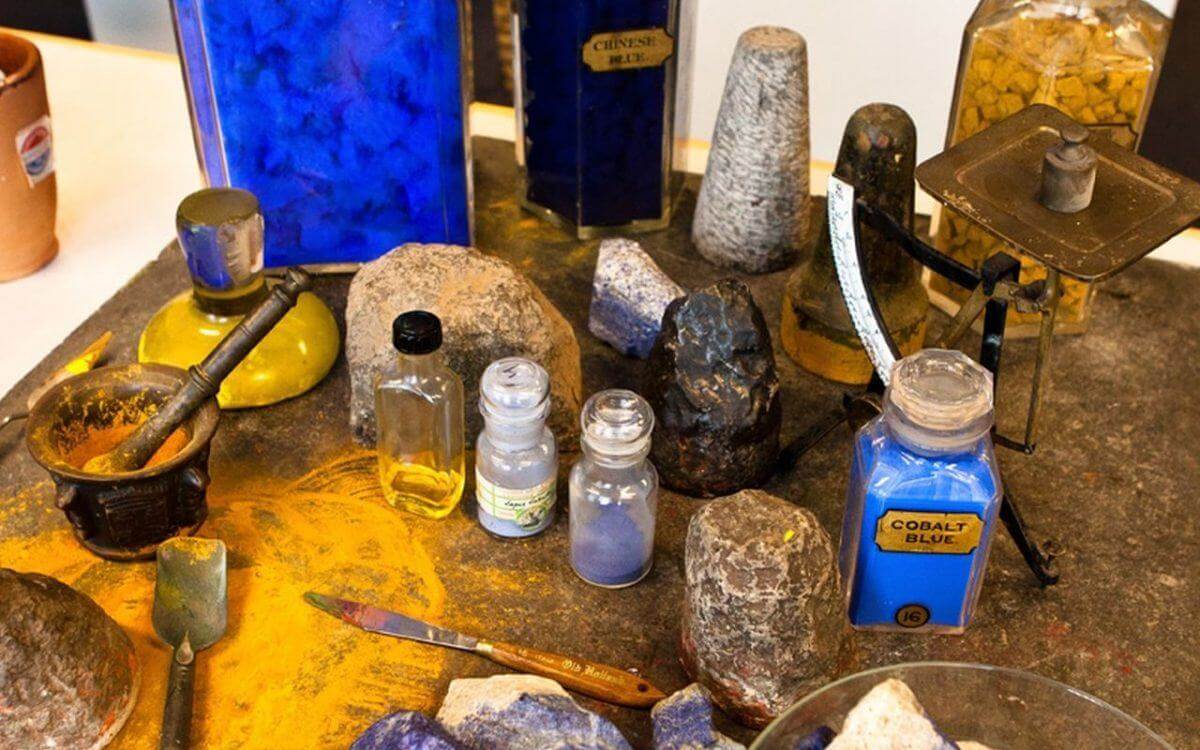
A display of how painters used to mix their own pigments with linseed oil. Credit: Former Holland Museum
Practice I Really Need Oil Painting Mediums?
Generally speaking, pigment is in its finest status the way it comes out of the tube. Quality paint manufacturers like Quondam The netherlands don't make a product designed to exist degraded with more medium. If more than oil was required for the paint, they would put more oil in the paint.
So the higher the course of pigment the less oil you volition take in it. If you open up a tube of paint and oil spills out of it, chances are you dealing with a lower grade material. Then you tin appraise the quality of paint based on the amount of oil that'due south in the paint because pigment pigments are a lot more expensive than oil binders.
If y'all are working with high-quality paint, y'all don't need to add oil painting mediums. But you may want to bear on the density, drying time, or characteristics of the paint, and for that, you can utilise a medium.
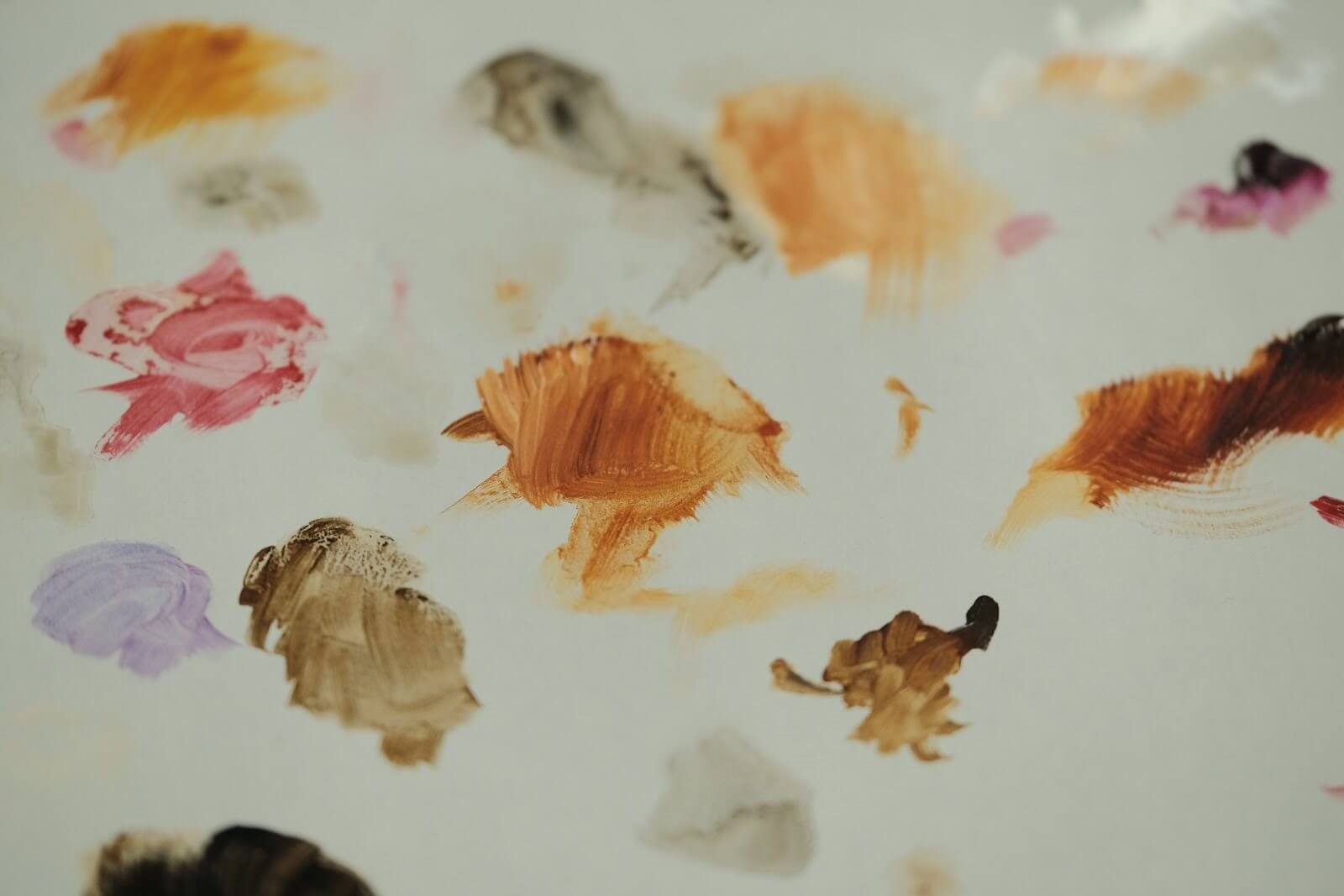
Medium tin thin down opaque paint or increase the fluidity of glaze.
Choosing a Medium requires Intention
When Evolve students are taught to paint, they add actress linseed oil to the pigment to sparse it. This also slows down the drying process a little, but the big thing is the thinning of the paint to create a smooth, even finish.
The general rule of thumb when calculation oil painting mediums to a painting is yous don't want to thin the paint unless information technology's your intent. You don't want to add medium to a point where the paint is no longer opaque or solid. Rather, you want a stable paint film that you can easily move near on your canvas.
This means that you never want more than than 50% of your mixture to be oil. Ideally, yous will have much less than half, but a little bit of oil, because the paint every bit it comes out of the tube is in its virtually pristine condition.
You should use a medium only if necessary and if it works with your intentions for the painting. If you lot are using quality paints medium is not necessary well-nigh of the fourth dimension. Merely if y'all crave paint to dry chop-chop, slowly, or be a flake thinner, the medium is a skilful choice.
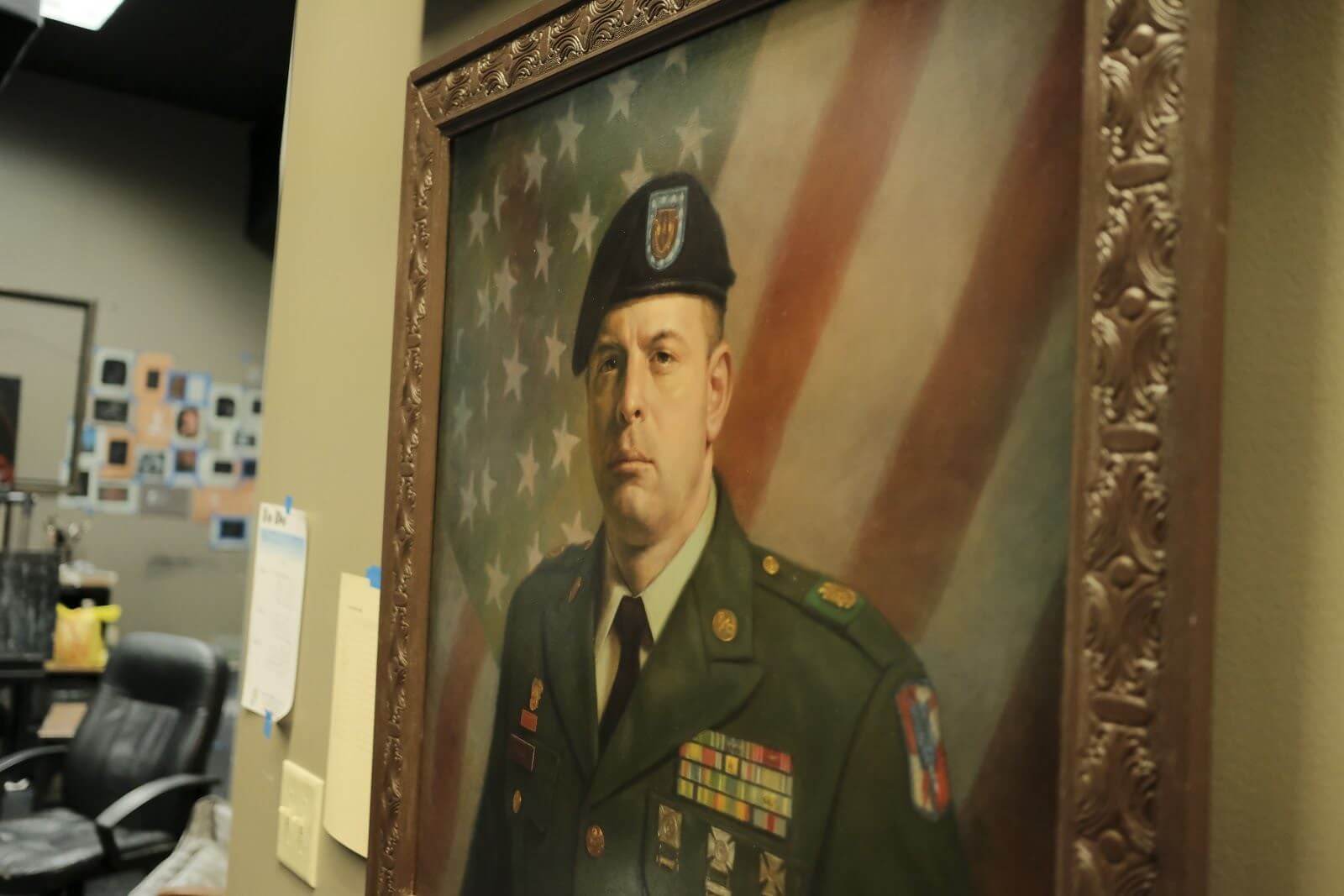
Kevin used medium to speed drying and increase opacity in this painting.
Alkyd Medium
In general, people want their oil paint to dry faster and for that, they may use an alkyd every bit an oil painting medium. Alkyd is a chemic that has some solvent in information technology. One recognizable solvent is turpentine, which breaks down binders in the paint, drying them at a faster rate.
Alkyd will dry a painting overnight unless the paint is very thick. Generally, it will dry paintings within 24 hours that you lot can piece of work layer on top of layer for several days in a row. This is beneficial for quick turnarounds in paintings and techniques like speed painting where it is necessary to pigment in thin layers.
Here at Evolve, we always mix alkyd into linseed oil. And the reason is that alkyd by itself will start to dry upward the pigment very chop-chop. So if you sit down to work in a three-hr window, the paint will brainstorm to stiffen up. While in that location are times this may exist desirable, often mixing linseed oil into alkyd produces the most workable paint drying fourth dimension.
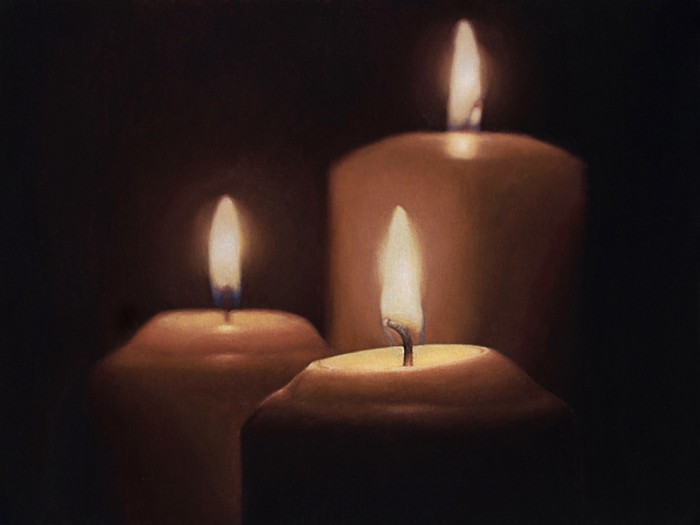
Kevin used medium to speed drying and increase opacity in this painting.
Alkyd Used As An Isolating Layer
Alkyd medium can also role as an isolating layer called "sealing". This simply is the process of locking completed layers of paint in place with alkyd so that glaze or boosted paint can be put on top without lifting any of the pigment below.
Once a painting is dried, it can exist sealed with alkyd. In one case the alkyd layer is dry, the creative person can keep to pigment with opaque or coat paints, sealing again when it is necessary to lock in the layers below.
Linseed Oil as an Oil Painting Medium
Linseed oil is a standard and traditional medium used to make virtually paints. It will just thin the paint and make it stay wet a little fleck longer.
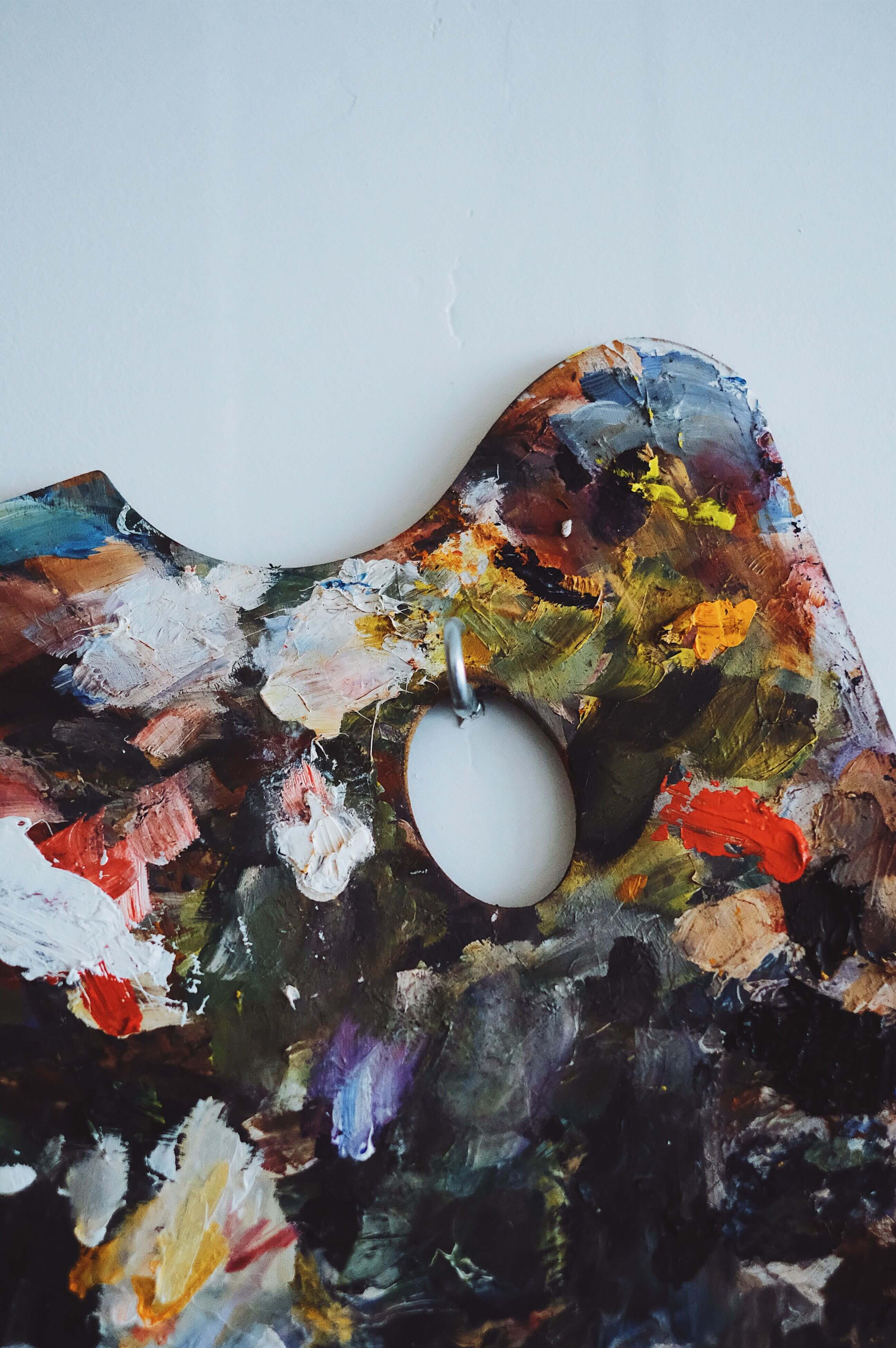
A paint palette tin be preserved for many days with clove oil. Photo by Dan Cook
When mixed with pigment it slows down the drying procedure so that over a long twenty-four hours of working your paint volition remain pliable and not begin to dry or get sticky. However, it volition oft take longer than 24 hours to dry out if used alone.
Here at Evolve, we recommend and use linseed oil with alkyd, more often than not in 4-function linseed oil to 1 part alkyd ratio. And what that does is give painters a medium that stays workable for several hours, but will still dry overnight. Subsequently four or so hours the pigment volition begin to stiffen slightly, but it is still very workable and pliable and volition be dry for work the adjacent day.
Clove Oil every bit an Oil Painting Medium
On the other end of the spectrum, if you want the paint to stay wet longer, you would use clove oil. Clove oil is not technically an artist material, it's actually an essential oil and is available at certain markets or pharmacies. Clove oil is usually used for 2 things: cooking and toothaches.
However, if you take clove oil and add it to your pigment it volition keep your painting wet for days. Only a few drops mixed with linseed oil, and you will have a palette that remains wet for a few days.
Clove oil can be a very helpful tool for artists, particularly when working on big pieces or artists who may need to extend their palette to stay moisture for several days.
Decision
Different mediums are used for different purposes. This is crucial when deciding the medium you wish to add to your paint. If your intent is to extend drying time, then consider linseed oil or clove oil. But if you wish to have your paint dry very apace a combination of linseed oil and alkyd or pure alkyd volition be helpful.
Your intent is always of import to consider as you cull a medium, and proceed in heed that paint in its purest form, out of the tube, is frequently all you demand.
Source: https://evolveartist.com/blog/oil-painting-mediums/
0 Response to "Is There a Product in a Tube for Art Oil Pointing to Thin Product"
ارسال یک نظر